
Article
When you’re just in a bad mood (and what to do about it)
Struggling with a bad mood? Discover simple, science-backed ways to shift your mindset, boost your mood, and regain control when everything feels overwhelming.
 Written by
Clare E Kenny
Written by
Clare E Kenny
- Published
- Reading time
- 4 min read
Ever have one of those days where you just wake up in a bad mood?
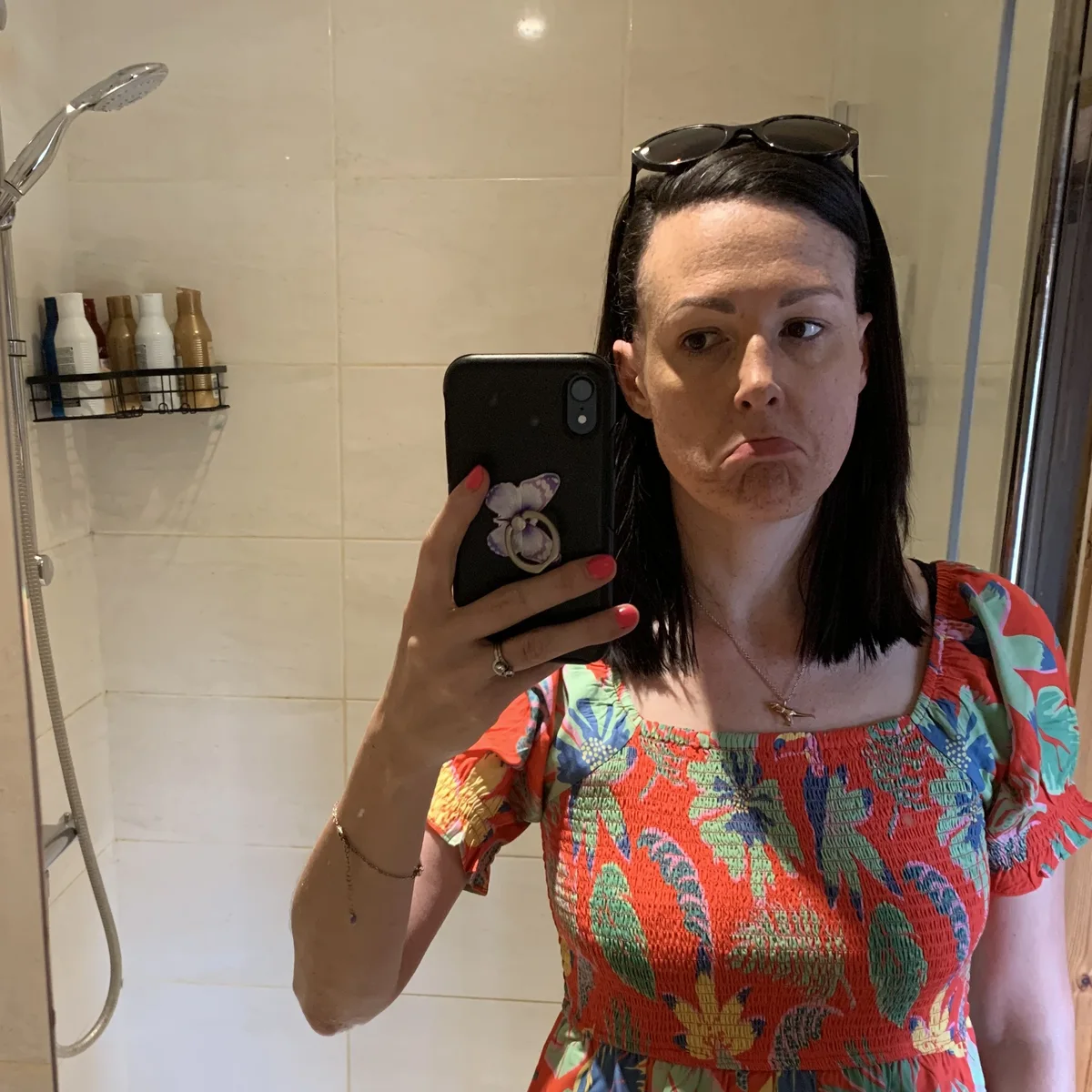
Not the slightly grumpy kind you can shake off with coffee, but the flat, fed-up, “everything feels too much” kind of mood. That was me recently.
For the past three months, I’ve been dealing with ongoing kidney pain, fatigue, and endless NHS appointments. It’s frustrating, unpredictable and exhausting. After yet another GP visit with no quick fix, I felt done. But instead of letting the day spiral, I decided to practise some of the mindset techniques I often share in my workshops - and see if they could help me shift out of that bad mood in real time.
Here’s what worked, and how you can use these tools the next time you feel stuck in a low mood.
Step 1: Get outside and change your environment
One of the quickest ways to shift your mood is to move your body and step away from screens. I took my dogs for a walk, and simply being in nature helped me gain perspective. Studies show that spending just 10–20 minutes outdoors can lower stress hormones and boost your mood.
Step 2: Name how you actually feel
Instead of pushing feelings away, name them. For me, it was frustration - the urge to stomp my feet and yell “UGH!” Labelling emotions is a proven emotional regulation tool that helps reduce their intensity.
Sometimes we just need to acknowledge that things feel hard. Giving yourself permission to say “this sucks” can be a powerful first step toward moving through it.
Step 3: Practise gratitude (without rushing yourself)
Once I’d named how I was feeling, I could reframe. Even in the middle of endless medical tests, there were positives: I’d found a brilliant new GP and ruled out some scary diagnoses.
Gratitude doesn’t erase tough circumstances, but it helps balance your perspective. Start small: one or two things you’re grateful for today, even if it’s just a sunny morning or a supportive friend.
Step 4: Focus on your ‘circles of control’
When life feels overwhelming, it’s easy to focus on what you can’t change. I used one of my favourite tools: the circles of control.
Circle of control: What you can directly control (your actions, your choices, how you treat yourself).
Circle of influence: What you can influence but don’t fully control (your relationships, career, aspects of your health).
Circle of concern: Things you care about but can’t change (other people’s behaviour, political decisions, NHS wait times).
Shifting your energy away from your circle of concern and into your circle of control is a powerful way to reduce stress and regain focus.
Step 5: Swap ‘dirty dopamine’ for ‘healthy dopamine’
When we’re low, we often reach for quick dopamine hits - scrolling social media, eating junk food, or downing caffeine. These give instant relief but leave you feeling flat again soon after.
Instead, focus on healthy dopamine boosters -
A short walk in nature
Listening to music you love
Playing with a pet
Dancing around the kitchen
Doing something creative
These simple actions release dopamine in a way that genuinely supports your mood and mental health.
The mindset shift that really helped
Not every day needs to be a 100% day.
If I’m only at 60% capacity, it’s unrealistic (and unkind) to expect full productivity. Instead, I ask: What does a 60% day look like? This shift takes off the pressure and helps me focus on what really matters.
If you’re feeling flat or fed up, here’s a few things you can try:
Step away from your screen and get outside - even for 10 minutes.
Name how you actually feel and allow yourself some space to feel it.
Swap one quick dirty dopamine hit for a healthy one.
Spend more energy in your circles of control and influence and less in your circle of concern.
Bad moods happen to all of us. But with the right tools, you can gently shift your mindset and stop a low day from becoming a low week.
If you'd like wellbeing, leadership and culture tips straight to your inbox you can subscribe to my newsletter here - https://www.clareekenny.com/subscribe
Ideas and resources
More from me
Twice a month
Newsletter
Short, practical thinking on survival mode, psychological safety and burnout at work.
Subscribe to the newsletterPDF guides and tools
Free resources
Guides and tools for psychological safety, burnout and neuroinclusion.
Explore free resources